Knights of Dialogue / 16
Aleef Hasan – Sinjar
My first visit to the city of Basra was more than a geographic journey; it was a dive into the depths of Iraq, where history meets the fragrance of palm trees, and religious and cultural diversity is reflected in people’s daily lives. I went to learn about this diversity, but I discovered something deeper: a familial warmth, a dialect that flows like water, and words that carry a sincerity connecting me to them, as if it were an old acquaintance.
I loved their faces and laughter, and I admired the palm trees towering over the city, symbols of the patience and dignity of the south.
On the Basra Corniche, where the Shatt al-Arab meets the city in a moment of calm and peace, I sat watching the movement of the river and the people, as if time slowed to give you a chance to reflect. In the local markets, I tasted dishes I had never tried before, carrying the kindness and generosity of the southern people.
The Mazar of Imam Ali in Al-Zubair was not strange to me: a sincere prayer, women tying pieces of cloth to walls, carrying silent wishes and whispers of hope. The scene reminded me of the Lalish Temple, in its colors and belief, despite the difference in form. I felt that prayer knows no sect and makes no distinction between hearts.
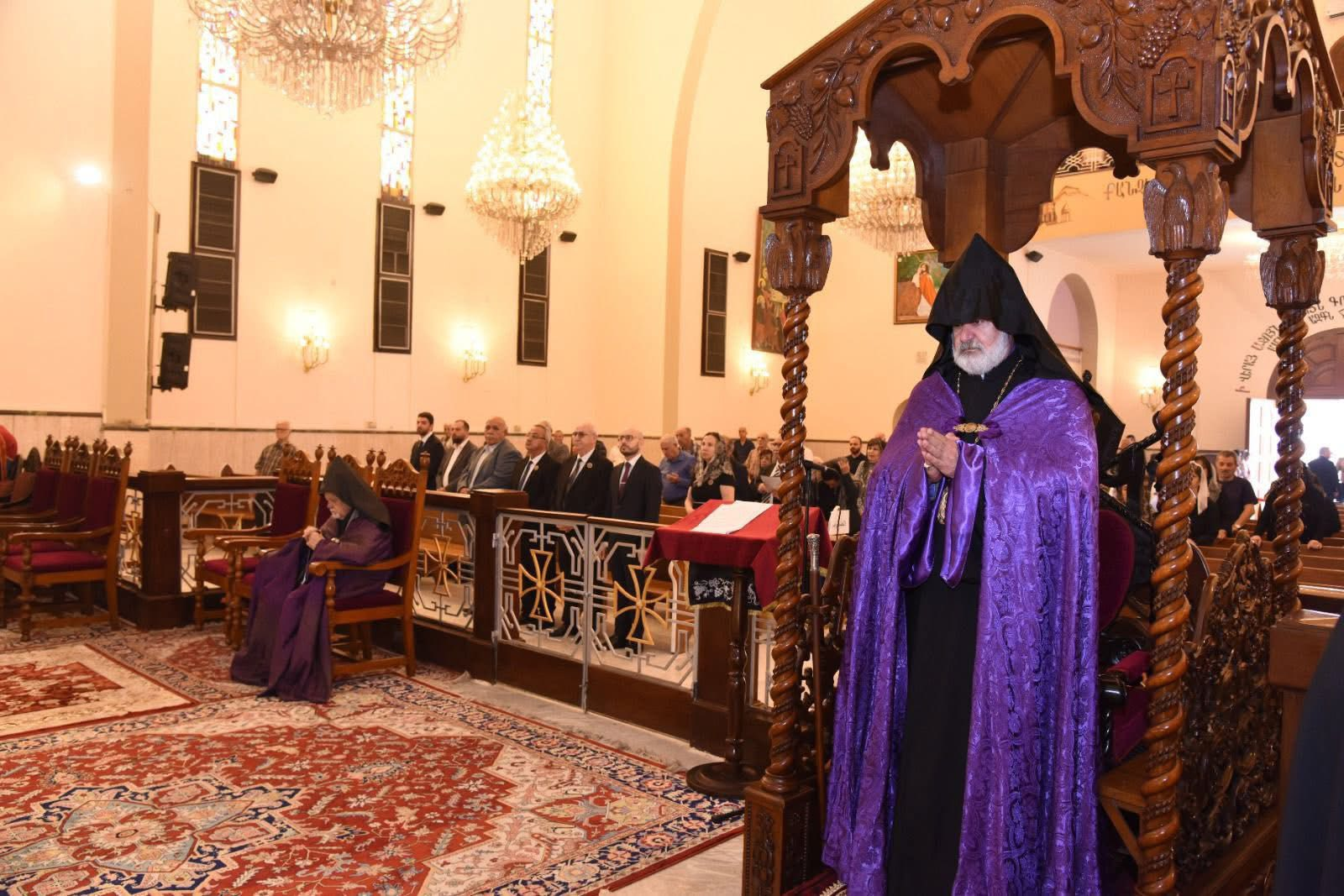
At the heart of this journey, meeting Bishop Habib Al-Nofali in the church was an unforgettable moment. In his presence, my love for the homeland returned in its purest form. I wondered: how can a person who has lived through pain and siege remain full of hope, encouraging love, knowledge, and peace? His words were not mere sermons but a living testimony to deep faith, tolerance, and true belonging. In his voice inside the church, one could see faith… and hear love.
I spent four days in Basra without anyone asking about my religion or ethnicity. I felt only human, and that what unites us is far greater than what divides us. That alone was enough to dispel the stereotypical image I had seen through the media, and to discover that diversity in Basra is not merely coexistence—it is a way of life, a state of awareness, and a deeply rooted culture.
As for the Al-Faw Peninsula, the farthest point in Iraq, the feeling cannot be described with words; there is no sense of alienation there, despite the distance.
On the roof of one of the houses overlooking the sea and palm trees, the air was heavy with the scent of the land and salt… surrounded by the aroma of the martyrs who defended every inch of it. I inhaled the pain of memory and remembered my father, who was injured during the battle to liberate this city in the 1980s.
I grew up hearing the name of this city, never understanding why worry always crossed my mother’s face when it was mentioned in whispers and sorrow in our home. But standing there, realizing that my father and many soldiers from the distant north came to fight in the south, I understood that Al-Faw was never foreign to me; it was part of my heart. My father’s injury and disability were not a burden but a badge of honor he carried while defending his land, even though it was thousands of kilometers away from his hometown in Sinjar.
Al-Faw is not just a city; it is a symbol of Iraq’s unity.
Strangely, the atmosphere in Al-Faw resembles Sinjar greatly: simple life, latent sorrow in the faces, and the sound of the wind whistling over old rooftops. From this distant place, I felt that I returned to childhood, but with a new awareness, a broader homeland, a stimulating memory, and a deeper understanding of the meaning of the word “homeland.”