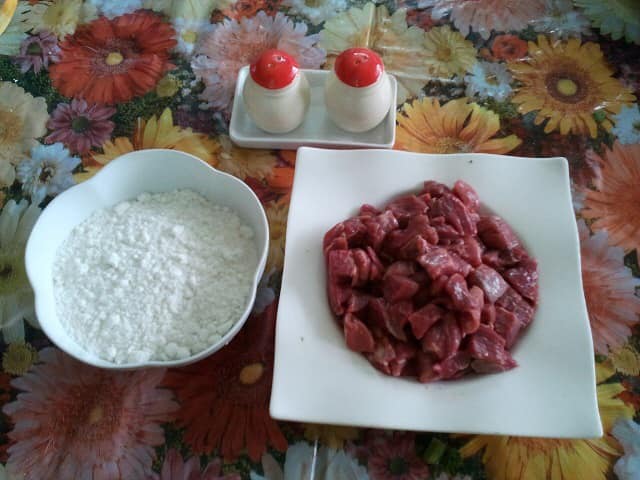
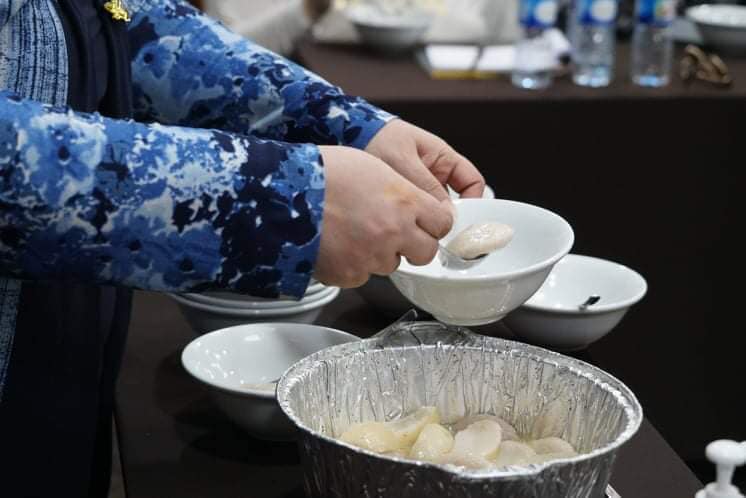
In a great step to see the resources that can appear in a society of diverse religions, nations and ethnicities, a group of fifty women from various parts of Iraq met to exchange their experiences in cooking and dish making.
Masarat’s philosophy was to engage in this event to enhance the institution’s experience, and to study human connections through food and cooking activities. Those activities gave clear results regarding food according to Mandaeism.
This study was included in the institution’s camp concerning coexistence and supporting the act of acceptance of each other. One of the most important aspects discussed in the camp was the activity of exchanging cultural points of food and its sizeable role in peace-building.
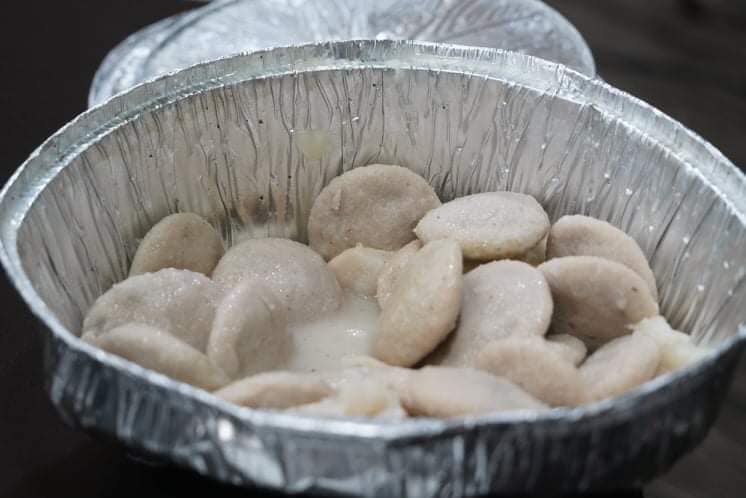
After three days in the camp, the participants discovered that there are 19 types of kubba ( a traditional Iraqi dish), Mousel alone has 11 kinds of the total number, one of which, is the kubba in a sour soup that Mosul participants have cooked for their colleagues in the camp.
Basrah also has a special dish called (shabzi/sabzi) which is cooked in no other area inside of Iraq nor outside. Moreover, Maysan, Nasiriyah and Basrah share al-masmota dish which runs of a curve from the depths of Sumer’s long history. However, Al-sea’ah and Al-tabouk ( bread made of rice flour) both remain a special common dish of these southern governorates. Dolma has various ways to be cooked, causing the dish to have a variant in every area of this country, the same goes for pacha.
Sweets also made an appearance in the cooking workshop as Nahar khoz sweets were presented in Basrah. Maysan’s khreet made it to the table too, as well as Najaf’s daheen, Karbala’s kutub, Baghdad’s kahi, Arbil’s sujuk, Sulaymaniyah’s min al-sama and many more.
Of note, the first Masarat camp started in the southern and central regions of Iraq and went straight to settle in Arbil. The second camp was scheduled to launch in July with bigger engagement and better input.
How about you? Can you tell us about a famous dish in your town?
Photos by: Qassim Al- Ka’abi


Masarat Foundation for Cultural and Media Development awarded the Positive Digital Impact Certificate to Sayyid Dr. Zaid Bahr Al-Uloom in recognition of his role in promoting a moderate, hate-free digital discourse throughout 2025. A special recognition ceremony was held at Dar Al-Ilm of Imam Al-Khoei in Najaf, opening with a speech by Dr. Saad Salloum, […]
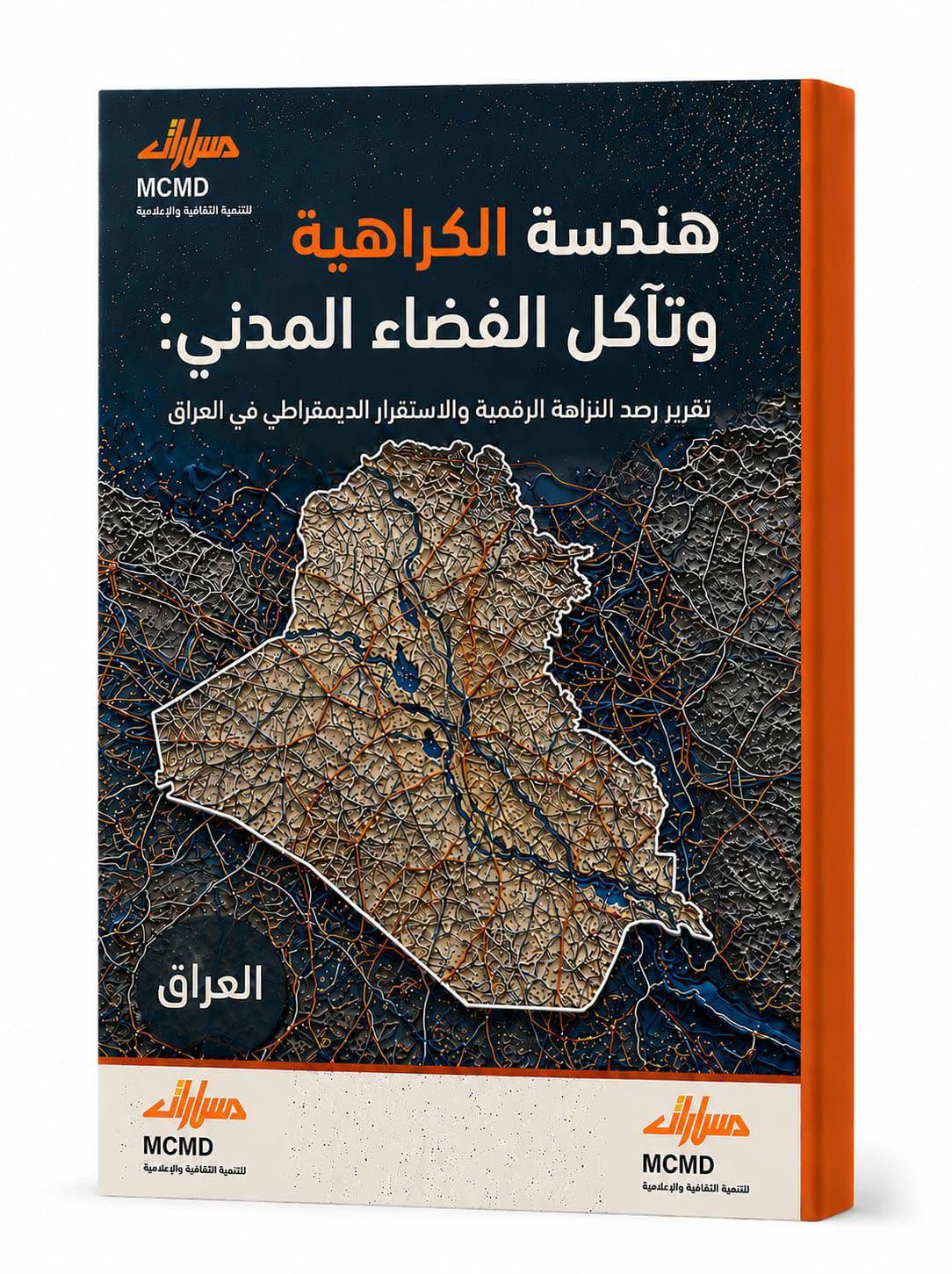
The 2025 Annual Report of the Center for Monitoring and Countering Hate Speech at Masarat Foundation revealed significant developments in Iraq’s digital landscape, documenting an ongoing struggle between the organized “engineering of hate” designed to deepen social divisions and a growing civil society and academic movement working to protect pluralism and civic space. The report […]
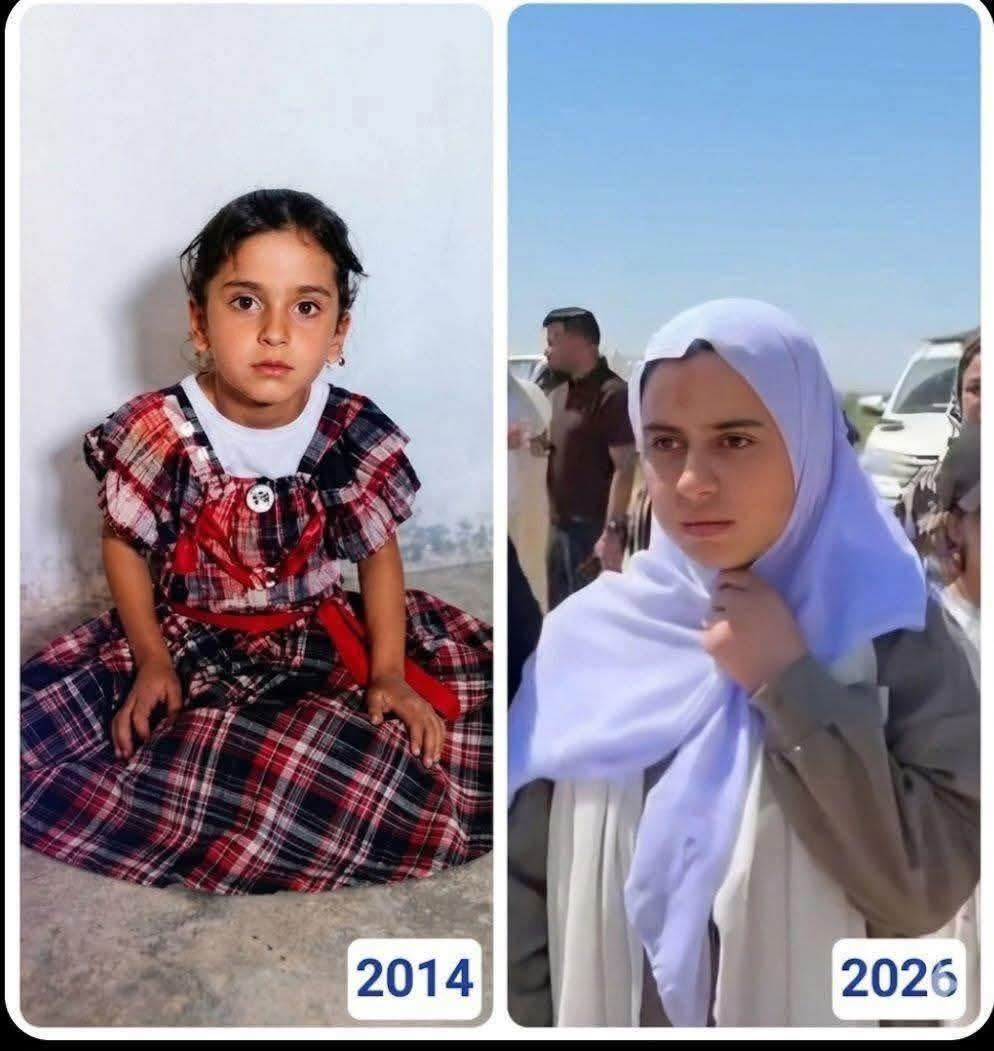
In a deeply moving humanitarian moment, the Yazidi community today welcomed survivor Jamila Babir Hajim, who regained her freedom after eleven years of abduction and enforced disappearance in the captivity of the terrorist group ISIS, following its attack on Sinjar District in 2014. Jamila was only a child when she was taken from her village […]
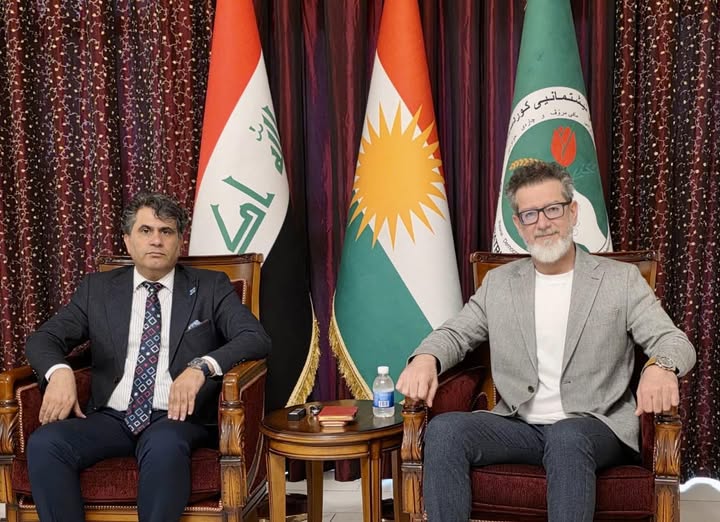
As part of efforts aimed at promoting dialogue and confronting hate speech among Iraqi communities, Saad Salloum, General Coordinator of Masarat Foundation, met with Dana Asaad, the political representative of Qubad Talabani in Baghdad and Head of the Secretariat of President Mam Jalal. The meeting discussed a number of issues of mutual interest, most notably […]
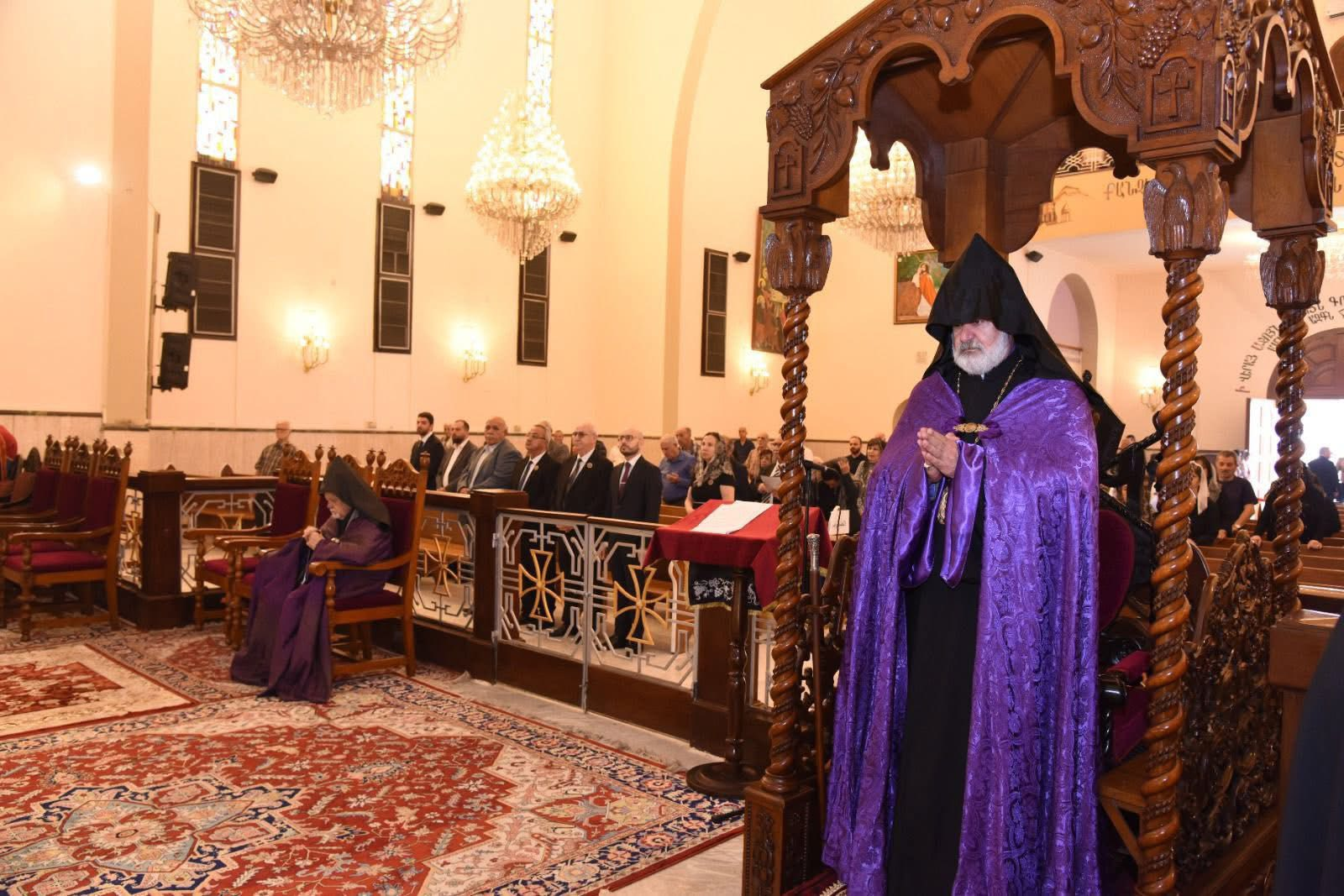
Baghdad – April 24, 2026 Masarat Foundation for Cultural and Media Development affirmed, during its participation in the events marking the 111th anniversary of the Armenian Genocide in Baghdad at Saint Gregory the Illuminator Church, its continued commitment to documenting major human tragedies, highlighting its research and organizational legacy that extends for more than a […]
